
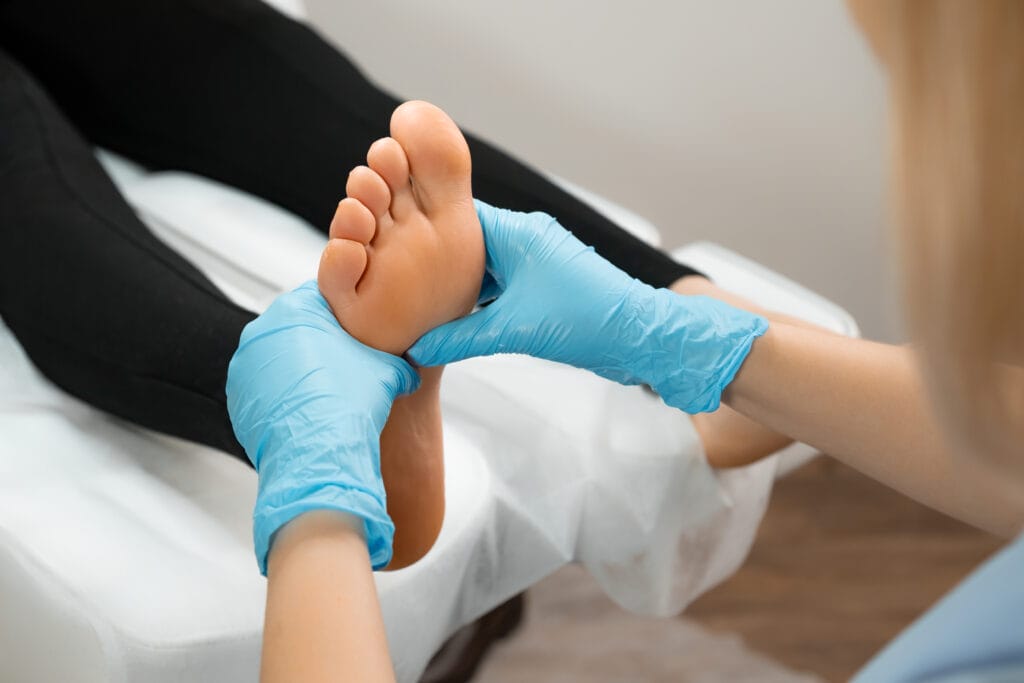
The biomechanical study of the footprint is a fundamental diagnostic technique for analyzing the way a person walks and runs. This analysis makes it possible to identify abnormalities in the gait that can affect the health of the foot and lead to injuries. In addition, this type of study helps to improve athletic performance and prevent common pathologies. Throughout the article, its benefits, methodology and recommendations for its correct application will be explored.
Importance of the Biomechanical Study of the Footfall
Understanding gait dynamics is crucial to maintaining foot health and avoiding various complications. Biomechanical assessment provides detailed insight into how gait occurs and how loads are distributed in the foot.
Foot health benefits
The benefits of performing a biomechanical study are significant. First of all, it facilitates the detection of problems that may go unnoticed in a conventional examination. Among the main benefits are:
- Early identification of deformities such as flat or cavus feet.
- Accurate diagnosis of podiatric conditions involving pain and limitation of movement.
- Better understanding of the relationship between the gait and other joints, such as knees and hips.
These factors are essential for overall wellness, as a proper stride contributes to correct body alignment and balanced weight distribution, thus reducing the risk of injury.
Prevention of common pathologies and injuries
Biomechanical analysis plays a fundamental preventive role in foot health. Through this assessment, it is possible to avoid or mitigate various pathologies. Some of the common injuries that can be prevented are:
- Ankle sprains, which are often the result of improper footing.
- Plantar fasciitis, an inflammation that generates heel pain.
- Metatarsalgia, which refers to pain in the front part of the foot.
Early detection prevents these conditions from becoming chronic problems, thus facilitating appropriate treatment at an early stage.
Impact on sports performance
For athletes, understanding how their footprint works is vital to optimizing their performance. A well-conducted biomechanical study provides valuable information on running technique and movement efficiency. Some relevant impacts include:
- Improved running technique, which translates into a decrease in energy expenditure.
- Identification of gait asymmetries that may compromise performance.
- Adaptation of materials, such as footwear, that aligns with the biomechanical needs of the athlete.
Encouraging detailed gait analysis is essential to maximize athletic potential and prevent the risk of injury associated with incorrect dynamics.
What does the Biomechanical Study consist of?
The biomechanical study of the footprint is composed of a series of tests and techniques that seek to understand the dynamics of walking and running. The methods and tools used in this analysis are detailed below.
Types of tests performed
Biomechanical evaluations usually include a variety of specific tests, tailored to the patient’s needs. These tests provide a more complete picture of how forces are distributed in the feet and their effects on the entire body. Common tests include:
- Gait assessment: Observation of gait characteristics on different surfaces.
- Balance tests: Determine the patient’s stability while in various positions.
- Flexibility tests: They evaluate the movement capacity of the joints and muscles of the foot and leg.
Technology used in the analysis
Technology plays a crucial role in biomechanical analysis of the footprint. Using advanced tools allows accurate measurements and relevant data to be obtained to complement manual observations. Some of the technologies used are:
Pressure platform
This device provides valuable information about the pressures exerted by the foot at different times during walking. Through sensors, it records the distribution of body weight, identifying high and low pressure points that can reveal inadequate tread patterns.
High-speed filming
The use of high-speed cameras makes it possible to capture gait in sequential images. This method is especially useful for observing movements that are imperceptible at normal speed, such as the oscillation of the feet and legs. The data obtained from this footage provides a detailed analysis of gait mechanics.
Analysis of results
At the end of the tests, the collected data are analyzed comprehensively. Gait patterns, force distribution, and comparison with reference standards are examined. This analysis is essential to identify any biomechanical abnormalities that may cause discomfort or injury. In addition, the results allow specific recommendations to be made to improve foot health and optimize performance during physical activities.
Process of the Biomechanical Study of the Footfall
Biomechanical assessment requires a detailed process to obtain an accurate diagnosis and accommodate individual needs. From data collection to in-motion assessment, each step is crucial to understanding the function of the foot and its interaction with the body.
Pre-interview and patient data collection
The first phase of the process consists of a personalized interview, where vital information about the patient is collected. This information includes:
- Personal data such as age, weight and height.
- Medical history, including previous illnesses and injuries related to the footprint.
- Lifestyle, including type of physical activity performed and frequency of exercise.
- Specific complaints or discomfort you may be experiencing in your feet or other parts of your body.
The anamnesis allows the specialist to establish an individualized profile, which is essential for subsequent analysis. Knowing the context of each patient facilitates the identification of behavioral patterns that may influence their biomechanics.
Physical examination and stretcher tests
After the interview, a thorough physical examination is performed. At this stage, the patient is evaluated in different positions, both supine and prone. These evaluations are essential to detect dysmetria, i.e., limb length imbalances that may affect gait.
During the evaluation, the specialist will observe:
- Alignment of the lower extremities.
- Hip rotations and their impact on gait.
- Joint and muscle balance, with emphasis on the ankle and knee joints.
These initial tests help form a basis for the overall diagnosis and are critical to any future treatment or recommendations.
Evaluation in static and dynamic position
The final phase of the study involves an evaluation under static and dynamic conditions. First, standing tests are performed, where the patient stands while aspects such as foot flexibility and muscle activation are evaluated. This allows analysis of posture and how body weight is distributed.
Next, we proceed with the analysis in motion. The patient walks on a pressure platform, where details such as:
- Pressure distribution on the sole of the foot.
- Displacement of the center of pressure during walking.
- Rotations and movements of the foot during walking, using video analysis technology for greater detail.
This comprehensive evaluation provides key data to understand the mechanics of the footprint and its relationship to potential discomfort or injury. Each of these steps contributes to a thorough diagnosis that leads to the best solutions for the patient.
Recommended Post-Study Treatments
Treatments suggested after biomechanical evaluation are crucial to address problems identified during the analysis. These methods seek to correct foot mechanics and optimize motion, which can promote podiatric health and improve quality of life.
Use of customized Inoles
Customized orthopedic Inoles are one of the main treatments recommended after a biomechanical study. These orthotics are designed to fit the anatomy and particular conditions of each patient. Their function is to correct foot alignment, redistribute pressures and improve cushioning during walking.
- Correct gait instabilities.
- Reduce pain associated with pathologies such as plantar fasciitis or metatarsalgia.
- Provide additional support in the arches of the foot, optimizing posture and body alignment.
Advice on proper footwear
The type of footwear worn on a daily basis plays a key role in podiatric health. Following biomechanical analysis, specific recommendations can be made regarding the footwear best suited to the patient’s individual needs. The right footwear can contribute to a significant improvement in the patient’s gait.
- Look for shoes with good arch support.
- Choose shoes that offer good cushioning and shock absorption.
- Select a design that fits the foot correctly, avoiding gaps or excessive pressure.
Strengthening and stretching exercises
Implementing an exercise routine is essential to complement the recommended treatments. Strengthening and stretching exercises help to improve the flexibility of the foot and its musculature, allowing for better mechanical performance during physical activity.
- Perform stretching of the plantar fascia and calf muscles to prevent strain.
- Include exercises that strengthen the intrinsic muscles of the foot.
- Practice balance and proprioception exercises to improve stability.
Pricing and Accessibility
Access to quality biomechanical studies is essential for those seeking to improve their podiatric health. Knowing the costs and availability in clinics can facilitate the decision to have this important analysis performed.
Cost of biomechanical study of the footprint
The price of a biomechanical footprint study can vary significantly depending on several factors. In general, you can expect the cost to range from 50 to 150 euros. This range may include different testing and evaluations performed during the study. Below are some points that may influence the final cost:
- The complexity of the tests performed.
- The technology used in the analysis.
- The experience and prestige of the specialist performing the study.
- Time dedicated to consultation and follow-up of results.
Availability in Zaragoza clinics
In Zaragoza, there is a wide range of clinics that perform biomechanical studies of the footprint. Many of these clinics are equipped with advanced technology and have professionals trained to carry out an accurate diagnosis. Options may include:
- Specialized podiatric clinics.
- Physiotherapy centers that offer biomechanical studies as part of their service.
- Sports medicine offices that include footprint analysis in their comprehensive care.
Health insurance coverage
The coverage of a biomechanical study by health insurance is also a relevant aspect to consider. Many health insurance companies offer reimbursement or include this type of study in their podiatric health plans. It is advisable to verify with the insurance company the specific conditions of the coverage, since:
- Some insurances only cover diagnostic studies if prescribed by a physician.
- There may be a limit on the number of studies that can be performed per year.
- Insurance companies may require that the studies be performed in clinics that have an agreement with them.
It is recommended to consult with the insurance provider for clear and up-to-date information on possible costs and reimbursements.
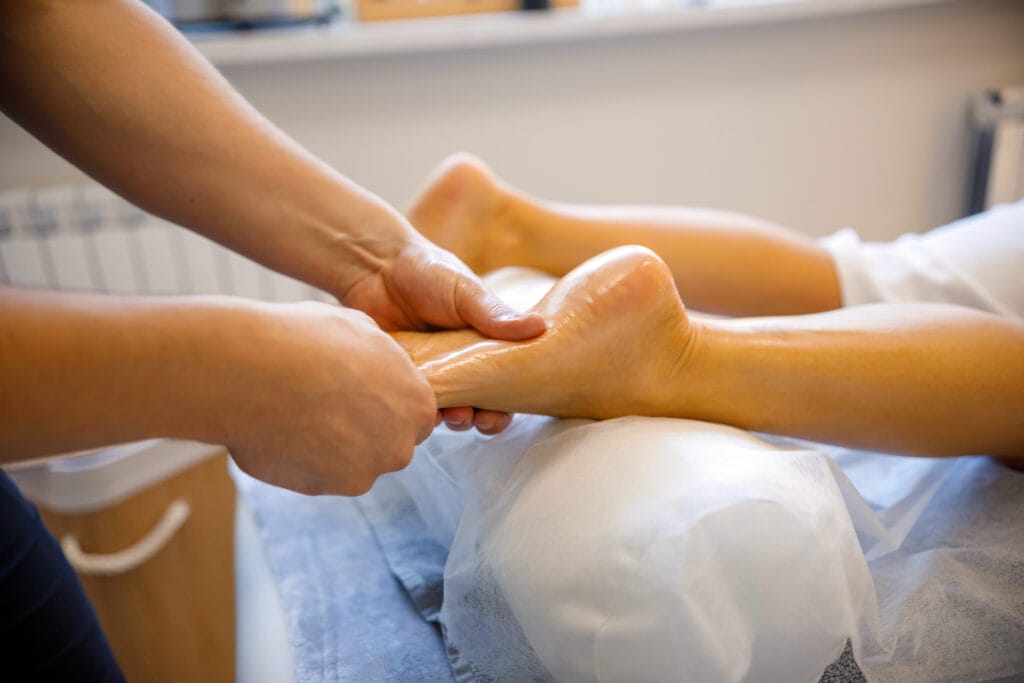
Special Cases and Beneficiary Populations
The application of biomechanical study in the footprint is essential for various populations, each with specific needs that require particular attention in the care of their feet. This includes athletes, children and the elderly, all of whom can benefit significantly from proper analysis.
Athletes and their relationship with sports podiatry
Athletes represent a group that faces intense physical loads, which increases the risk of injury. Detecting irregularities in the footprint can prevent serious problems in their performance and health. Biomechanics enables athletes:
- Identify inappropriate movement patterns.
- Adjust your technique when running or training.
- Implement mechanical currents that optimize their performance.
- Recover from injuries more efficiently.
A detailed assessment helps customize footwear and improve sport technique, providing essential support in the evolution of your physical activity.
Children and the importance of pediatric podiatry
The development of children’s feet is crucial, as their structures are still in formation. The realization of a biomechanical study is recommended from an early age to:
- Detect flat or cavus feet that may affect your posture.
- Identify problems in motor development that may require intervention.
- Prevent the onset of difficulties as they grow older and become involved in more physical activities.
Proper footwear counseling and specific exercise recommendations can contribute to healthy foot development at this stage of growth.
Elderly people and specific care
Podiatric health is especially important in the elderly, who may experience decreased mobility and strength. Biomechanical studies allow:
- Identify imbalances that increase the risk of falls.
- Detect conditions such as arthritis, which can affect gait.
- Providing solutions to improve comfort and functionality in your daily life.
The exhaustive analysis facilitates the adaptation of Insole and footwear, as well as the prescription of exercises that strengthen muscles and stability.
Frequently Asked Questions about the Biomechanical Study
There are several queries that often arise in relation to the biomechanical study of the footprint. The following are the most common questions and their respective answers, in order to clarify any doubts that may arise.
Recommended frequency for a study to be performed
The periodicity with which a biomechanical study should be performed may vary according to the individual needs of each person. Generally, it is recommended to carry out this evaluation every two years to maintain an adequate monitoring of podiatric health. However, in the case of sports people or those who suffer frequent discomfort, it is advisable to perform the study more frequently, even every year. This makes it possible to detect possible changes in the footprint or in the biomechanics of the foot that may require specific attention.
Differences between flat feet and pes cavus
The classification of feet is done mainly in two categories: flat feet and cavus feet. Each has specific characteristics and problems. In the case of flat feet, the main characteristic is the lack of a natural arch, which results in a greater contact surface with the ground. This can lead to certain complications, such as arch pain and improper use of footwear.
On the other hand, cavus feet are those in which the arch is more pronounced than normal. This condition can cause excessive stress on the tissues of the sole and ankle, as well as joint alignment problems. Recognizing these differences is crucial, as each type of foot needs a particular approach to treatment and management to prevent injury and improve quality of life.
When to see a podiatrist?
Consulting a podiatrist is essential when you experience discomfort or pain in your feet while walking or standing. In addition, it is advisable to seek the help of this specialist if you notice changes in the normal way of walking, or if you have symptoms such as cramps, swelling or redness in your feet. A visit to a podiatrist should also be considered when starting a new exercise program, especially if high impact sports are practiced.
Another sign that indicates the need to see a podiatrist is the appearance of persistent corns or calluses, which can result in daily discomfort. Early attention helps prevent injury and ensures optimal podiatric health, allowing you to enjoy a better quality of life and adequate performance in daily activities.
